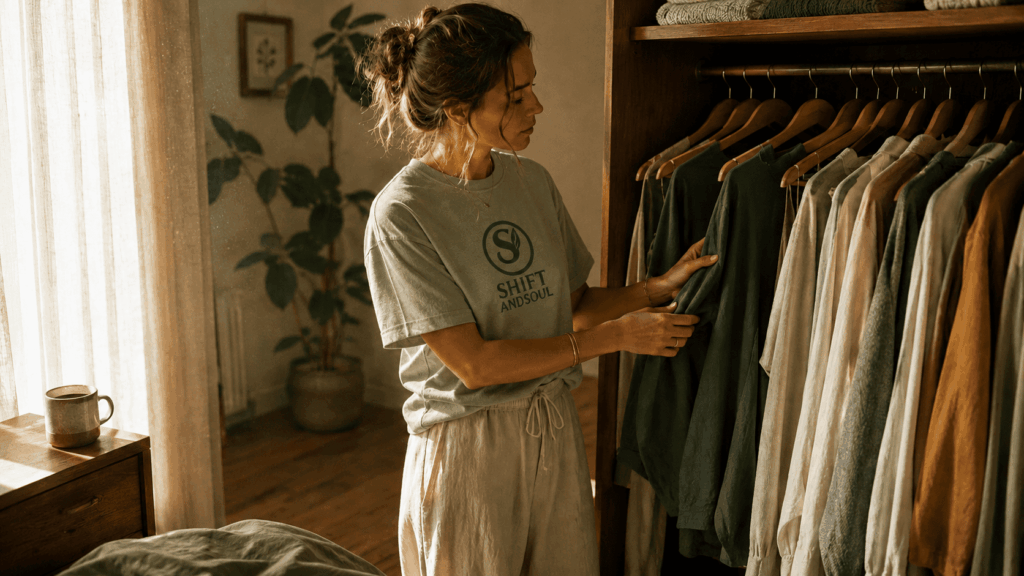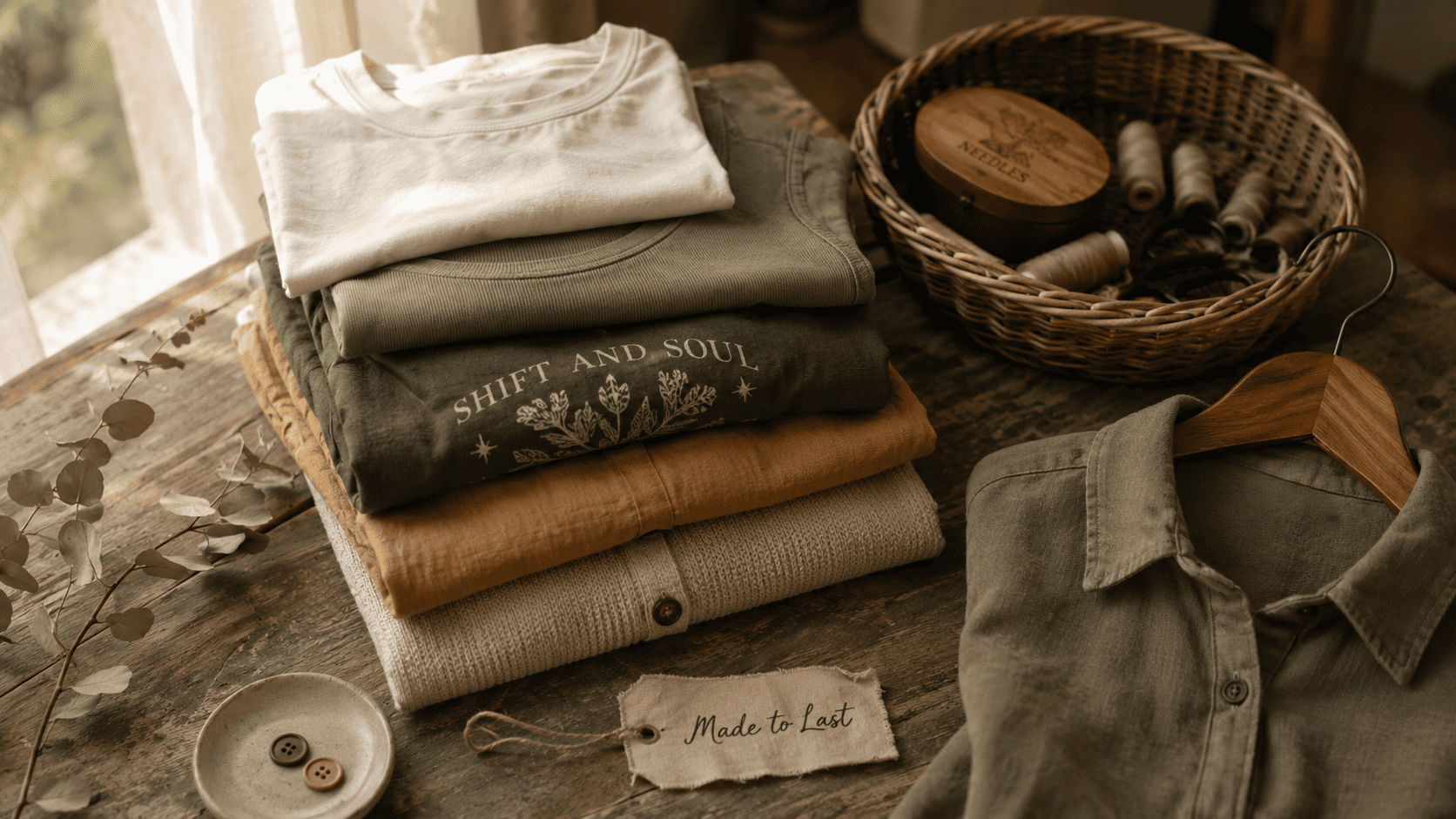
Somewhere in the last decade, sustainable fashion stopped being a quiet ethical choice and became a noisy marketing category. Every brand suddenly had a “conscious collection.” Every catalog cover featured the word eco. Every other Instagram ad promised that this fabric blend would change everything.
The result, for many thoughtful shoppers, is a kind of low-grade exhaustion. You want to make better choices. You’re not sure who’s telling the truth. And the more you read, the more complicated the whole thing feels.
So let’s simplify it.
A sustainable wardrobe isn’t about perfection. It isn’t about throwing out everything you own. It isn’t about spending three times more on every t-shirt. It’s about a handful of small, durable shifts in how you choose, wear, and care for the clothes already in your life.
Here’s how to build a slower, more intentional closet — without the guilt, the overwhelm, or the marketing fog.
What “Sustainable” Actually Means
The word gets stretched so thin that it can feel almost meaningless. Strip it back, and a more sustainable wardrobe usually rests on four practical ideas:
- Buy less. One of the most meaningful changes is owning fewer items and wearing them longer.
- Buy better. When you do buy, choose pieces made with comfortable materials, durable construction, and designs you can see yourself wearing often.
- Care well. How you wash, store, and repair your clothes affects their lifespan more than most people realize.
- Pass things on. Donate, swap, resell, repurpose, or recycle when possible — the goal is to keep useful textiles in circulation longer.
That’s the foundation. Those four ideas, practiced consistently, can make your closet more thoughtful than any single “eco” purchase ever could.
The Fast Fashion Trap
Fast fashion sells the feeling of endless variety, often at the cost of quality and long-term use. Many pieces are bought for short-term trends, worn only a handful of times, and quickly replaced. Synthetic-heavy fabrics can also release tiny fibers during washing, which is one reason many shoppers are starting to pay closer attention to material choices.
You don’t have to swear off affordable clothing forever to opt out of the cycle. You just have to start treating every purchase as a small commitment instead of an impulse.
Step 1: The 30-Wear Test
Before buying anything new, ask yourself one simple question:
Will I wear this at least 30 times?
That’s it. That’s the test. It sounds almost too easy — surely you’d wear a new t-shirt 30 times? — but if you pause and picture yourself wearing the item to specific places, with specific outfits, you may realize how often the honest answer is “probably not.”
The 30-wear test creates clarity. It separates pieces you’ll actually reach for from pieces that only feel exciting in the moment. Over time, this habit can help you buy less, choose more carefully, and feel more satisfied with what you already own.
Step 2: Choose Materials More Thoughtfully
Not all fabrics feel, wear, or age the same way. A simplified starting point — not a perfect rule — is to look for materials that are comfortable, durable, and easier to care for:
- Natural fibers — cotton, linen, hemp, and wool are breathable, familiar, and often comfortable for everyday wear.
- Cellulosic fibers — fabrics such as Tencel or lyocell are known for softness and drape, though their impact depends on sourcing and production.
- Recycled synthetics — recycled polyester or nylon may reduce reliance on virgin synthetic materials, but they can still shed microfibers.
- Virgin synthetics — standard polyester, acrylic, and conventional nylon can be useful in some garments, but they may not be the best choice for every item, especially pieces washed very often.
You don’t need to memorize every fabric type. Just flip the tag and glance. Ask yourself: does this feel good on my skin, does it suit how I’ll wear it, and does it seem like something I can keep in rotation for a long time?
This is why many pieces in our women’s t-shirt collection are made with soft cotton-rich fabrics designed for everyday comfort, breathability, and repeat wear. The same goes for our women’s tank tops, created with easy styling, soft feel, and long-term wardrobe use in mind.
Step 3: Build Around a Capsule
A capsule wardrobe is a small, intentional collection of pieces that work well together. It doesn’t need to follow strict rules. The goal is simply to make your closet easier to use and easier to love.
The advantage isn’t just aesthetic. It’s practical: when more pieces coordinate with one another, you wear each item more often. A capsule built around earth tones — sage, cream, forest green, soft ochre, warm brown — creates more outfit options because the colors naturally sit well together.
Start small. Try this for one season:
- 3-5 versatile t-shirts in neutral or earth-toned colors.
- 2-3 tank tops for warmer days and layering.
- 2 pairs of well-fitting pants or jeans.
- 1-2 shorts or skirts.
- 2 lightweight layers, such as a cardigan, overshirt, or light jacket.
- 1 dressier piece for occasions.
That’s roughly 12-15 core items. Combined thoughtfully, they can create dozens of outfits. And because they all play well together, getting dressed in the morning becomes faster, not harder.
Step 4: Wash Less, Care More
One of the easiest ways to make clothes last longer is to care for them gently. Over-washing, high heat, and rough drying can wear down fabric faster than everyday use alone.
A few small habit shifts can help preserve the pieces you love:
- Wear t-shirts and tanks more than once before washing if they aren’t visibly dirty and still feel fresh.
- Wash cold when appropriate — it is gentler on many fabrics and can help reduce energy use compared with hot washes.
- Air-dry whenever possible, especially for cotton-rich basics and graphic tees.
- Spot-clean small stains immediately instead of washing the whole garment.
- Turn graphic tees inside out to help protect the print.
None of these are dramatic changes. Together, they can help your clothes keep their shape, color, and softness for longer.
Step 5: Repair, Don’t Replace
A small hole. A loose seam. A missing button. None of these automatically mean a garment’s life is over — sometimes it just needs a few minutes of attention.
You don’t need to be a tailor. A basic sewing kit, a simple tutorial, and a little patience can handle many small repairs. Even if you only learn how to reattach a button or close a tiny seam, that skill can keep a favorite piece in your closet longer.
And if a piece is truly beyond repair, avoid sending it straight to the trash when possible. Depending on the material and your local options, it may be reused as a cleaning rag, donated for textile recycling, or handled through a local fabric-recovery program.
Step 6: Resist the Sale Reflex
“It was 70% off” is one of the most common reasons people buy clothes they don’t actually want. Brands know this. A discount can make a piece feel urgent even when it doesn’t really fit your style, your body, or your life.
A useful rule: if you wouldn’t seriously consider it at full price, pause before buying it on sale. The point is to own clothes you enjoy wearing, not clothes you bought only because the deal felt too good to miss.
The Deeper Shift
A sustainable wardrobe isn’t really about clothing alone. It’s a small daily practice of paying attention — noticing what you actually need versus what advertising convinces you to want, choosing slowness over impulse, and caring for objects long enough that they become part of the texture of your life.
The pieces in your closet aren’t separate from how you move through the world. They’re a quiet, daily expression of what you value. Choose them slowly. Wear them often. Care for them well. Pass them on thoughtfully when their time with you is done.
Over time, buying less, wearing pieces longer, and caring for them well can help reduce unnecessary waste. Your wallet benefits too. Most of all, your relationship with the things you own becomes calmer, more intentional, and less driven by the manufactured urgency of the next trend.
Start with one shift this week. Just one. The rest follows more naturally than you think.
Building a slower, more intentional closet? Explore our nature-grounded women’s t-shirts and tank tops — made with soft cotton-rich fabrics, earth-toned palettes, and quiet graphics designed for everyday comfort and repeat wear.